
Part III: Construction
2. What to Expect During Construction
Once the sales contract is signed and construction begins, many buyers expect regular updates or opportunities to visit the site. In reality, the construction phase can feel distant and opaque, especially in large developments where communication is standardized and tightly controlled.
This section helps you understand what kind of contact to expect, what you can (and cannot) realistically verify during the build, and how staged payments work in practice.
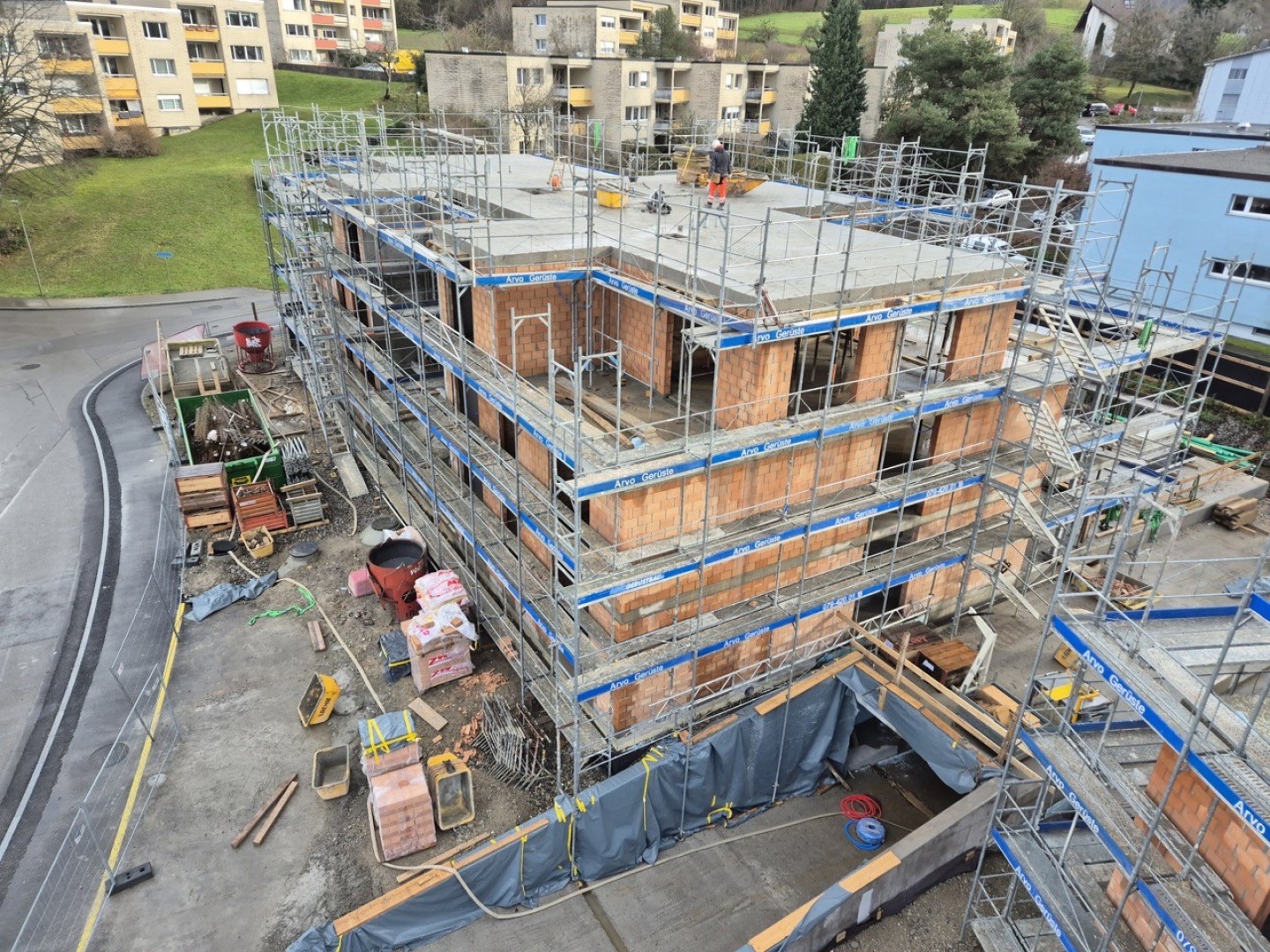
2.1 Typical Buyer Communication During the Build
In most projects, especially those managed by a general or total contractor, direct contact with the site team is not permitted. Instead, communication is centralized through the developer or a designated project coordinator.
You can typically expect:
- Occasional email updates with photos or progress reports
- Invitations for showroom appointments (see Choosing Finishes and Customizations)
- A site visit invitation before tiling or flooring installation (to confirm layout, materials, etc.)
- A final handover invitation once the building is complete
Don’t expect:
- Weekly updates
- Ongoing communication with the architect or builder
- Ability to visit freely on your own — sites are usually locked and require hardhat supervision
In smaller projects, communication may be more personal (e.g. with the site manager or the developer directly), but this depends entirely on the setup.
Ask early who your main point of contact will be during construction, and how often you’ll receive updates.
2.2 Site Visits and What You Can Realistically Check
Most buyers are allowed only 1–2 site visits during the construction phase, usually around:
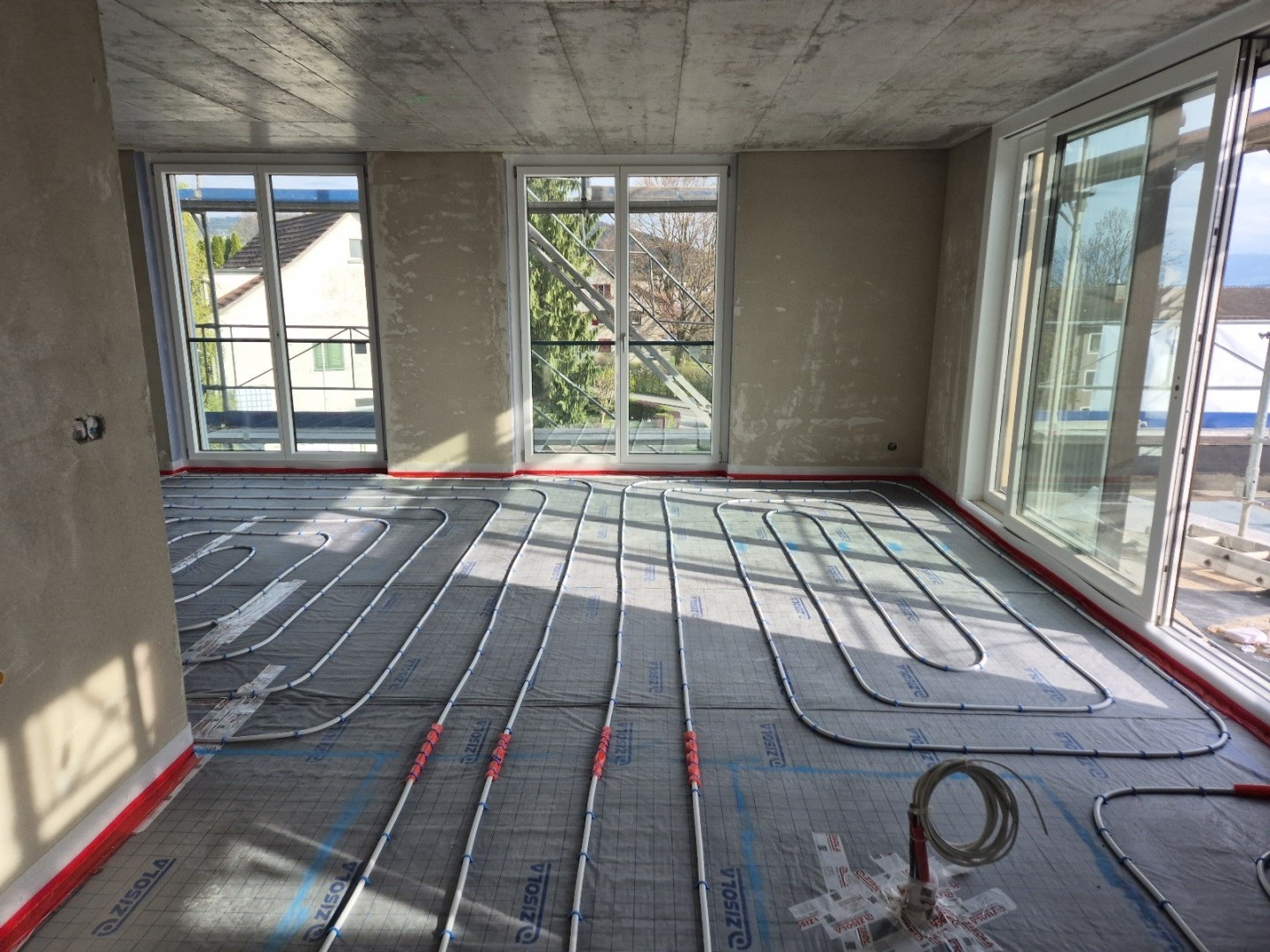
- The pre-flooring/tiling stage, where you confirm tile placement and parquet direction
- A pre-handover walkthrough a few weeks before completion
During these visits, you can check:
- That the layout and dimensions of your unit match the floor plan
- The position of electrical outlets, lights, and plumbing
- That your selected finishes and fixtures are being installed (if visible at that point)
However, it’s not realistic to verify:
- Wall thickness, insulation, or behind-the-wall materials
- Compliance with building codes (this is the developer’s legal responsibility)
- Long-term quality — many defects only become visible after occupancy (cracks, leaks, etc.)
If you have concerns, you can hire an independent construction expert (Bauexperte / expert en construction) to accompany you on visits or check quality at key stages.
Never enter the site without permission or supervision — it’s a safety risk and a liability issue.
2.3 Understanding Staged Payment Requests
New-build apartments are often paid in installments aligned with construction milestones. This schedule is defined in your contract and may vary by canton or project.
See examples of payment structures in
How payments are structured for off-plan apartments
Each payment request will come with a confirmation from the notary or developer, and your bank will release funds from your mortgage accordingly — assuming you’ve arranged the financing in advance.
If you’re paying part of the price with personal funds (Eigenmittel / fonds propres), those are typically used up first, before the mortgage starts being drawn.
Some key points:
- Verify that payment matches progress — don’t authorize payment if the milestone hasn’t clearly been reached
- Ask your bank to inspect or verify if you’re unsure
- Final payment is typically made just before or at handover, once the property is ready
Your mortgage advisor can help coordinate the release of funds — especially if the developer’s bank uses an escrow or trustee setup.
2.4 Delays and Adjustments
Delays are common, especially in projects that rely on a minimum sales quota before construction can begin, or that face:
- Permit appeals or objections
- Subcontractor insolvency
- Material supply issues
In most contracts, delivery dates are indicative, not guaranteed — unless specifically worded otherwise (see Understanding the Sales Contract section).
If delays extend significantly beyond the expected date, you may be entitled to:
- Penalties (rare in Swiss contracts unless explicitly included)
- Cancellation or renegotiation (only in extreme cases)
- Extension of your financing arrangement (coordinate with your bank)
Keep in close contact with your bank if there’s a risk of your mortgage approval expiring due to delays.
2.5 Summary Tips
- Don’t expect ongoing direct communication with the site — contact is usually limited and centralized
- Use your showroom and site visits wisely — confirm everything possible while you’re there
- Monitor payment requests and check that they align with actual progress
- Document all communication and confirmations related to changes, delays, or inspections
If in doubt, consider hiring a third-party expert — especially in larger or high-value projects.